Hospital Bag Checklist for Mom and Dad
Everything both parents need, in three bags.
6 min read
You’ve spent months prepping the nursery, reading the books, and mentally rehearsing every contraction — but the bag sitting by the front door might be the thing that actually saves your sanity on the big day. Labor for first-time parents can last many hours, and hospital stays typically run 24 to 48 hours after a vaginal delivery and longer for a cesarean, so what you pack matters more than you think (Mayo Clinic; Newborns’ and Mothers’ Health Protection Act). Here’s a no-fluff, both-parents checklist you can knock out in one evening — plus the items most people forget.
Key takeaways
- Pack three separate bags — one for the birthing parent, one for the partner, one for baby — by 36 weeks.
- Hospitals provide most medical supplies and baby basics; focus your packing on comfort, snacks, and electronics.
- The partner’s bag is just as important — you’re staying overnight in a chair that wasn’t built for sleeping.
- A properly installed, inspected car seat is the one item the hospital requires before discharge.
- The most-forgotten item across every hospital bag list: a phone charger that’s at least 6 feet long.
When should you pack your hospital bag?
Start packing at 36 weeks — 35 if your provider has flagged any risk factors. About 10% of babies arrive before 37 weeks, and contractions don’t wait for you to find matching socks. Keep your bag by the door or in the car so you’re not scrambling at 3 AM.
Here’s the simplest approach: pack in three separate bags or compartments.
- One for the birthing parent
- One for the partner
- One for baby
This way, you grab all three and go — no digging through a single overstuffed duffel mid-contraction.
What does the hospital actually provide?
Here’s the part most guides skip: hospitals supply more than you’d expect. Most labor and delivery units provide a gown, mesh underwear, pads, basic toiletries, diapers, wipes, swaddles, and a bulb syringe for baby. You don’t need to pack half the nursery.
What they usually don’t provide: a long phone charger, comfortable clothes for recovery, your own pillow, and anything for your partner. The support person is often the forgotten packer. Hospital recliners aren’t designed for sleeping, the cafeteria closes at odd hours, and nobody thinks about dad’s toothbrush until 2 AM.
The comfort items that actually matter during labor
Labor is a marathon, and the items that make the biggest difference aren’t medical — they’re personal. A familiar pillow, a playlist loaded on your phone, lip balm that doesn’t smell like a hospital. These are the things parents mention months later when they talk about what got them through.
Pack one comfort item that grounds you — a photo, a note from your partner, a favorite blanket. It sounds small. During hour fourteen of labor, it won’t feel small at all.
What should the birthing parent pack?
Your bag needs three categories: labor, recovery, and going home. For labor, pack a long phone charger (at least 6 feet — the outlet is never where you expect it), lip balm, hair ties, and a lightweight robe if you want something more comfortable than the hospital gown. Slippers with grip on the bottom are essential for walking the halls.
For recovery, bring:
- Your own underwear (dark, comfortable, ones you don’t mind retiring)
- A nursing bra or comfortable sleep bra
- Loose, comfortable clothes for the stay
- Toiletries that make you feel human again — face wash, dry shampoo, your own towel
For going home: a loose outfit that fits your roughly-six-months-pregnant body (not your pre-pregnancy jeans), and slip-on shoes.
What should the partner pack?
Partners, pack your own bag — you’re staying too. Most partners stay for the entire hospital visit, which means at least one overnight in a chair that was not designed for sleeping. Bring a change of clothes, your own toiletries, your phone charger, a power strip, a pillow from home, and a blanket or sweatshirt (labor rooms run cold).
Snacks are critical:
- Protein bars, trail mix, or jerky that won’t go stale
- Electrolyte drinks or packets
- Cash or a card for the vending machine at 3 AM
Also pack: insurance cards, a copy of the birth plan if you have one, and a folder to store important documents the hospital will give you. You’re the logistics person — own it.
What does the baby actually need at the hospital?
Baby needs surprisingly little for the hospital — a few outfits and a car seat. Pack outfits in newborn size and in 0-3 months, because you won’t know the size until arrival. A going-home outfit, a hat, socks or booties, and a swaddle blanket round it out.
The one non-negotiable: a properly installed rear-facing car seat. Many hospitals will not discharge you without one. The AAP recommends rear-facing for all infants, and installation errors are common — get it inspected at a local fire station or certified Safe Kids event before your due date.
For dads
This week, take one evening and pack your bag. Not hers — yours. Grab a duffel, throw in a change of clothes, your toothbrush, a phone charger, snacks, and a pillow. Then install the car seat if you haven’t already — look up a free inspection station near you and get it checked by a certified technician. This is one of the few things in pregnancy you can 100% control, and walking into the hospital with your bag packed and your car seat locked in is a genuinely good feeling. Do it tonight so it’s not on the list and she doesn't have to worry about you packing when contractions start.
Here’s what nobody warns you about: the hospital stay is long, boring, and emotional all at once. There will be stretches where your partner is resting and you’re sitting in a dim room at 4 AM with a newborn on your chest, wondering if you’re doing everything wrong. You’re not. The fact that you’re there, awake, with a packed bag and a plan, puts you ahead of the game. Labor isn’t something that happens to your partner while you watch — you’re in it together, and the small things you packed (the snacks, the charger, the pillow) are going to be the things that help you show up instead of running on fumes.
Product picks
As an Amazon Associate, Cradlebug earns from qualifying purchases — at no extra cost to you. Learn more

Anker 2-Pack 20W USB C Charger Block with Cables
A 2-pack fast charger with USB-C and USB-A ports plus cables included — charge both your phones at the same time during your hospital stay

Matching Mommy Labor Delivery Robe and Swaddle Set
A lightweight robe that is comfortable for mom and also makes for great photos once baby arrives
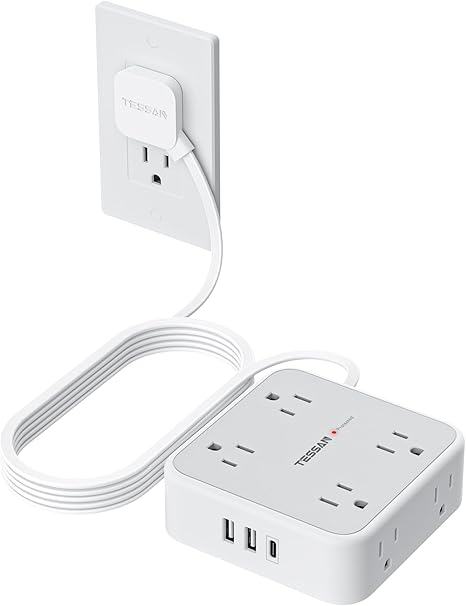
Surge Protector Power Strip, 10 Ft Flat Plug Extension Cord with 3 USB (1 USB C) 8 Outlets
No need to worry about having enough outlets close by - this power strip will ensure you and your partner can keep your devices charged through your hospital stay
Common questions
Do I really need to pack a hospital bag or can I just bring stuff later?+
Pack it. Labor can start weeks early, and you won’t want to make a packing list between contractions. Have it by the door by 36 weeks.
What’s the most forgotten hospital bag item?+
A long phone charger — at least 6 feet. Hospital outlets are rarely next to the bed, and your phone is your camera, entertainment, and lifeline to family.
Can my partner stay overnight at the hospital?+
Most hospitals allow one support person to stay overnight, but check your hospital’s policy in advance. Your partner will need their own bag with clothes, snacks, and a pillow.
What size clothes should I bring for the baby?+
Pack a few newborn and 0-3 month outfits. You won’t know which size fits until your baby arrives, and many full-term babies skip newborn sizes entirely.
Do I need to bring diapers and wipes to the hospital?+
No. The hospital provides diapers, wipes, and basic baby care supplies during your stay. Save yours for home.
When should the car seat be installed?+
Install it by 37 weeks and get it inspected at a certified station (many fire departments offer free checks). The hospital will confirm you have a car seat before discharge.
Related articles
Sources
- Mayo Clinic, Stages of Labor and Birth: Baby, It’s Time! (2024) — https://www.mayoclinic.org/healthy-lifestyle/labor-and-delivery/in-depth/stages-of-labor/art-20046545
- AAP, Hospital Stay for Healthy Term Newborn Infants, Pediatrics (2015) — https://publications.aap.org/pediatrics/article/135/5/948/33740/Hospital-Stay-for-Healthy-Term-Newborn-Infants
- U.S. Congress, Newborns’ and Mothers’ Health Protection Act of 1996 — https://www.congress.gov/bill/104th-congress/senate-bill/969
- Laughon et al., Changes in Labor Patterns Over 50 Years, NIH/NICHD (2012) — https://www.nichd.nih.gov/newsroom/releases/033012-time-to-labor
A quick note: This content is for informational purposes only and is not a substitute for professional medical advice. Always talk to your healthcare provider about any questions or concerns. Content based on guidance from the American College of Obstetricians and Gynecologists (ACOG), the American Academy of Pediatrics (AAP), Mayo Clinic, and peer-reviewed medical literature. Learn how we create our content.